


Last week, a client stopped in to our office for a discussion with his IMC. They had to work on a few aspects for an upcoming marketing effort for the fall and wanted to cover the details together. While he was waiting for his IMC to finish a call, the client whimsically wrote on our project board “Do my stuff every day”.
He laughed, we laughed, and they went on with their meeting.
I thought later about it and his comment is really on point. Our clients gain success, and my small business grows, because we do stuff… ‘every day’.
The Power of the Schedule
Remember back in grade school when your teachers made you buy homework planners so you could keep track of all your homework and assignments? Why, as we grew up, did we think we didn’t need them anymore?
Maybe you’re so organized you don’t need an assignment calendar or maybe you think your memory is just as good as ever. Think again.
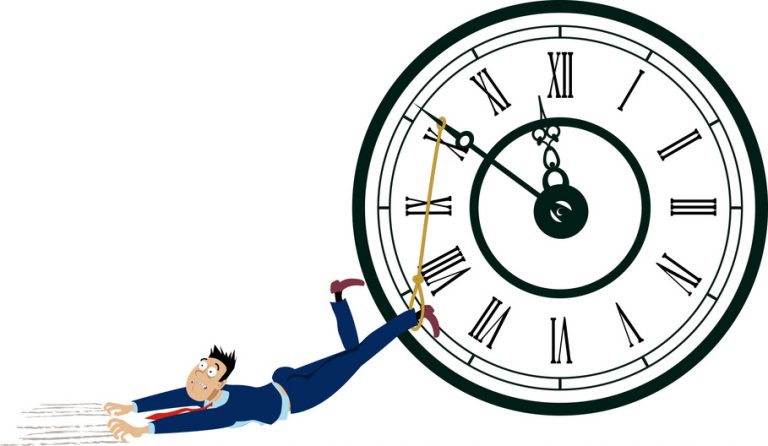
Your work day is undoubtedly jammed packed with scheduled work and maybe some surprise assignments as well. Several scientific studies have found that if you write something out, you’re more likely to remember it. So, whether you choose to use an online calendar with set alerts or you choose to buy an ‘ole fashioned week day planner, you need a way to keep track of how your prioritizing work.
Having a set list of assignments you need to complete each day will help to hold you accountable and bring your focus back to the daily tasks at hand. Plus, once you complete a work task, you can check it off as you go! You’ll then have a visual that you’re making progress each day and actively working toward your bigger goals.
How to Prioritize Your Priorities
Once you have a schedule, or a way of keeping track of your work tasks, you need to figure out which tasks you need to complete first. Defining priority can be difficult, especially when every task has a sense of urgency tied to it. But, here are some general rules to use when defining what’s “most important” in your workday:
1. Look at the due dates. Tasks and projects with closer due dates need to be prioritized first so you can complete them in time and meet your deadlines.
2. If you have have an in-depth task that will require a lot of time to complete, break it up across several days and do a little each day. You’ll save yourself from burning out and be able to complete other tasks as well.
3. Contrary to popular belief, you shouldn’t always do the easiest tasks first. Instead, prioritize work on the hard tasks…those projects that you’ve been putting off.
The start of the day is when most people have their best energy. Use that starting energy to make a solid dent in difficult projects. But, feel free to take a break from a more involved task and switch to completing a simpler task instead. This will give your brain a rest and help to relax you before you switch back again.
You can knock out a lot of daily requirements this way and give yourself time for more in depth projects later on. Plus, you’ll have a sense of accomplishment as you move on to other projects throughout the workday.
Put it into Action
I start everyday by listing out what I need to accomplish each day, in the order that I need to accomplish those tasks. That way I can look at my work schedule, determine how long each task will approximately take, and start working on them in an effective manner. By prioritizing work assignments, I can have a better mental image of how my day will go. In some cases, if I have a reoccurring task each week, like writing a blog article or updating web content, I will get ahead of schedule and complete those tasks before they’re do.
⌈Determine never to be idle… It is wonderful how much may be done if we are always doing. – Thomas Jefferson⌉
Completing certain tasks ahead of time will free up more of your workday for unexpected work tasks and give you more time for projects that may take longer than expected so you can still meet your deadlines.
However, there may be times when you can’t possibly complete all your prioritized tasks in one workday. That’s OK; you’re only human. Schedules are meant to help you, not stress you out. But, if you’re holding to a steady work schedule and consistently focusing on your tasks, that shouldn’t happen to often.
In Conclusion
Taking the time to prioritize workflow so you can complete “stuff” everyday is important, to say the least. Scheduling and prioritizing work will help keep you on track and manage your business growth at the same time.
 Blog
Blog Case Studies
 Infographics
 Free Comprehensive Analysis